
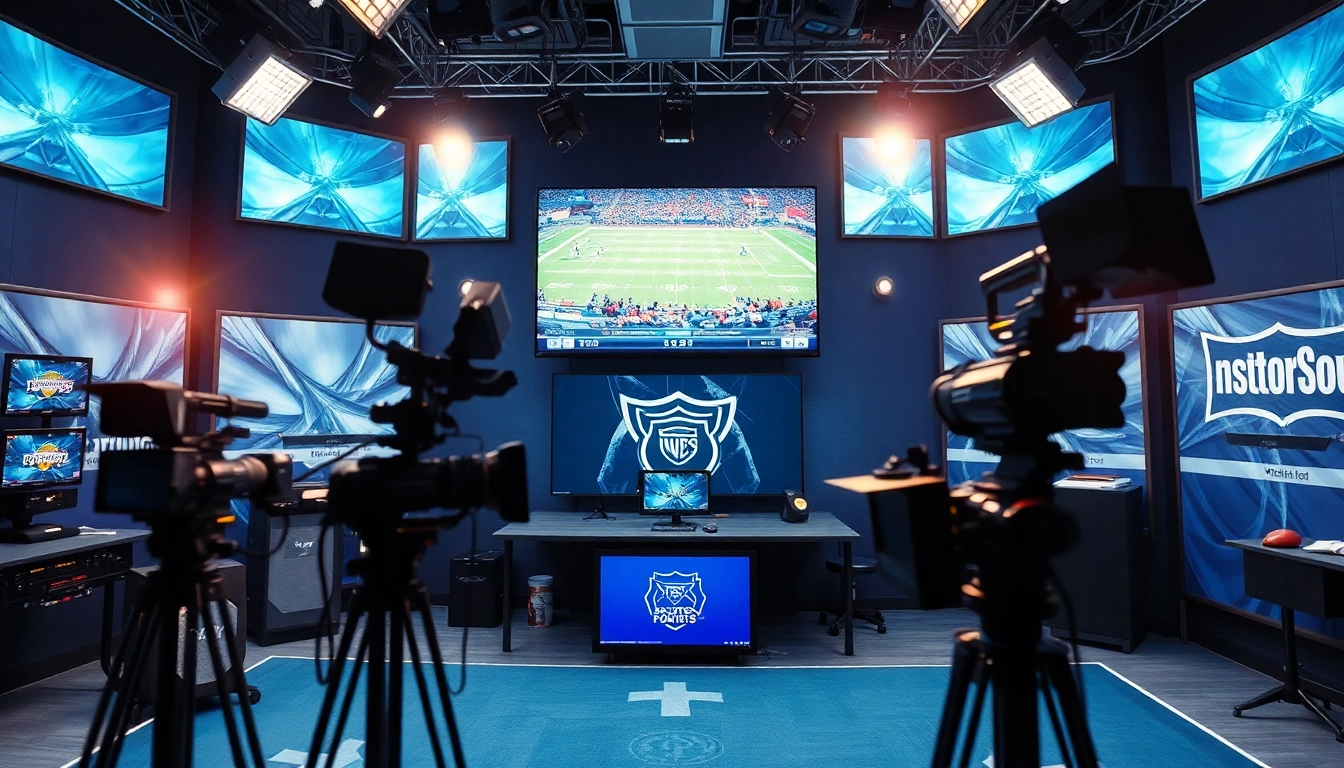
Understanding the Fundamentals of Sports Broadcasting
Sports broadcasting is a critical component of the sports industry, providing fans with live coverage, in-depth analysis, and entertainment related to their favorite games and athletes. Broadcasters act as the bridge between the events occurring on the field and the audience watching from home or on their devices. Mastering this intricate craft involves understanding various aspects, including the role of a sports broadcaster, types of broadcasting, and essential skills necessary for success. For a deep dive into the world of Sports Broadcasting, navigate to Sports Broadcasting.
The Role of a Sports Broadcaster
In the landscape of sports, broadcasters serve multiple critical roles. Primarily, their responsibility is to provide live commentary during events, ensuring that viewers can experience the excitement of the game as if they were right there in the stadium. This involves narrating the action, offering insights about plays, and occasionally engaging with guests or analysts to provide deeper context.
Moreover, broadcasters help create a narrative around sports events. They not only report outcomes but weave stories about the athletes, teams, and fans. This storytelling aspect enhances emotional engagement, which is vital for retaining audience interest. Broadcasters must understand sports ethics and convey information accurately, maintaining integrity and neutrality in their reporting.
Types of Sports Broadcasting
Sports broadcasting can be categorized into various types based on the media used:
- Television Broadcasts: Traditional TV broadcasts are still a dominant medium for sports coverage. They offer high-quality visuals and multiple camera angles, enhancing viewers' engagement.
- Radio Broadcasts: Radio broadcasting remains a popular way of reaching audiences, particularly for sports fans who prefer audio content or are unable to watch live events.
- Online Streaming: With the rise of digital platforms, online streaming has become a primary method of consuming sports content. Services like OTT platforms allow viewers to watch live games and highlights anytime, anywhere.
- Social Media Streaming: Real-time updates and live coverage on social media platforms engage younger audiences, making sports more accessible, immediate, and interactive.
Essential Skills for Successful Broadcasting
To succeed in the highly competitive field of sports broadcasting, professionals must possess a combination of skills:
- Communication Skills: The ability to articulate thoughts clearly and effectively is essential for conveying information and engaging audiences.
- Deep Sports Knowledge: A profound understanding of the sports being covered, including rules, history, players, and strategies, adds authority to broadcasts.
- Technical Skills: Familiarity with broadcasting equipment and software, including teleprompters, cameras, and audio systems, is vital for smooth operations.
- Creativity: Developing unique angles and stories about the athletes and events fosters viewer engagement and differentiates a broadcaster from others.
- Adaptability: The ability to think on one’s feet and adapt to unexpected changes or breaking news is crucial for live broadcasts.
Technological Innovations in Sports Broadcasting
The sports broadcasting industry is continually adapting to technological advancements that are reshaping how content is delivered and consumed. From the onset of television and radio to the latest in streaming services and augmented reality, technology plays a crucial role.
Impact of Streaming Services on Sports Broadcasting
Streaming services have revolutionized sports broadcasting, providing fans with increased access to live games and on-demand content. Platforms like Netflix and Amazon Prime are venturing into sports, demonstrating the industry's shift toward digital. With subscription models that cater to audiences' preferences, these services make it easier to follow various sports anywhere, anytime.
This flexibility and accessibility have augmented sports viewership, allowing for unique features such as replays, customizable viewing experiences, and interactive elements that engage audiences. Furthermore, streaming platforms allow broadcasters to analyze viewer data efficiently, helping adaptive strategies focused on target demographics.
Mobile Journalism and Its Influence
Mobile journalism has emerged as a significant trend, enabling sports broadcasters to cover events using smartphones, tablets, and other mobile devices. This shift empowers broadcasters to report news swiftly and engage with their audience through social media and live video streams.
The rise of mobile journalism has also led to a greater need for multimedia skills among broadcasters, who must now create compelling visuals and audio on-the-go. This responsiveness to real-time events enhances the immediacy and relevance of sports coverage, appealing to an audience that demands instant access to information.
Equipment Needed for Modern Broadcasts
Modern sports broadcasting requires sophisticated equipment to deliver high-quality content across multiple platforms. The essential gear includes:
- Cameras: High-definition cameras are essential for capturing the action, providing clear visuals for both TV and online streams.
- Microphones: Quality audio equipment, such as lapel mics and shotgun mics, enhances sound clarity, crucial for commentary and interviews.
- Broadcasting Software: This includes tools for editing video, mixing audio, and streaming content live. Software such as OBS Studio or Wirecast are popular choices.
- Teleprompters: These devices help broadcasters deliver scripted content smoothly, enhancing the professionalism of the broadcast.
- Mobile Devices and Apps: With the rise of mobile journalism, having robust mobile devices that can stream and record high-quality video is crucial.
Creating Compelling Sports Content
Creating engaging content is at the heart of successful sports broadcasting. It's not just about delivering information; it's about telling stories that resonate with fans and keeping them coming back for more.
Storytelling Techniques in Sports Broadcasting
Storytelling in sports broadcasting goes beyond merely describing plays. It involves crafting a narrative that connects the audience with the players and teams. Effective techniques include:
- Character Development: Broadcasters can enhance audience engagement by providing background stories about players, highlighting personal challenges, triumphs, and what drives them.
- Conflict and Resolution: Sports often present clear conflicts (team rivalries, player injuries), and narrating these elements creates suspense and engagement throughout the match.
- Use of Analogies: Relatable analogies can simplify complex plays or strategies, making the content more digestible for a broader audience.
- Visual Narratives: Incorporating highlights and graphics that align with the storytelling helps reinforce key points and keeps viewers engaged.
Engagement Strategies for Viewers
Engaging viewers is crucial for retention and loyalty. Strategies for keeping fans involved include:
- Interactive Polls and Q&A Sessions: Engaging the audience through polls during broadcasts or pre-game shows allows fans to voice their opinions and feel invested.
- Live Updates: Providing real-time updates not only during games but also on social media platforms keeps the conversation going.
- Highlight Reels: Post-game highlight compilations offer viewers the chance to relive key moments, while also encouraging sharing across platforms.
- Behind-the-Scenes Content: Offering glimpses into players’ lives and team dynamics creates a deeper connection and garners audience empathy.
Utilizing Social Media in Broadcasting
Social media has transformed how sports content is distributed and consumed. It has become an invaluable tool for broadcasters to engage with viewers in real-time.
By utilizing platforms such as Twitter, Instagram, and Facebook, broadcasters can provide instant updates, share behind-the-scenes content, and participate in fan conversations. Additionally, user-generated content can enrich the conversation, showing a community around sports that traditional broadcasting often overlooks.
Furthermore, broadcasters can leverage hashtags to categorize discussions and increase visibility for their content, tapping into trending topics related to live events.
Challenges in the Sports Broadcasting Industry
Despite the excitement and opportunities of sports broadcasting, several challenges must be navigated to ensure success. Broadcasters must be prepared to confront these obstacles with strategic solutions.
Maintaining Accuracy and Integrity
In the fast-paced environment of sports broadcasting, the pressure to deliver timely information can sometimes compromise accuracy. Mistakes can lead to misinformation and damage trust with audiences.
To maintain accuracy, broadcasters must employ rigorous fact-checking processes and encourage transparency in reporting. It may also prove beneficial to provide disclaimers when information is uncertain or developing, helping to establish credibility.
Dealing with Competition in Broadcasting
As the sports broadcasting landscape evolves, competition from emerging platforms and content creators has intensified. Broadcasters must differentiate themselves to maintain audience loyalty.
This can be achieved by embracing unique content strategies, such as niche sports coverage or innovative storytelling techniques. Collaborating with influencers and leveraging social media can also provide fresh perspectives that appeal to younger audiences.
Adapting to Changing Audience Preferences
As demographics shift, audience preferences continue to evolve. Younger viewers gravitate toward on-demand content rather than traditional broadcasts. Adapting to these changes is crucial for broadcasters aiming to engage and retain their viewer base.
Focus on data-driven insights to understand audience behavior, enabling content customization and ensuring it aligns with evolving preferences. Incorporating interactive elements, like chat features during broadcasts, can enhance learning experiences and align with audience dynamics.
Future Trends in Sports Broadcasting
The future of sports broadcasting promises to be exciting, filled with innovations and shifts in how audiences access and engage with sports content. Key trends to consider include emerging technologies and shifts in viewer expectations.
Emerging Technologies Revolutionizing Broadcasting
Several exciting technologies are poised to revolutionize the sports broadcasting industry:
- Artificial Intelligence: AI tools will increasingly analyze player performance data, providing broadcasters with insights that inform commentary and enhance viewer understanding.
- Virtual Reality (VR): VR has the potential to offer immersive viewing experiences, allowing fans to feel as if they are part of the game.
- Augmented Reality (AR): AR can enhance live broadcasts with real-time statistics and visual overlays, enriching the viewing experience.
- 5G Connectivity: As 5G networks expand, the ability to stream high-quality content with minimal latency will further enhance the audience's experience.
Predicting Viewer Trends and Expectations
Understanding viewer trends is essential for broadcasters to remain ahead of the curve. Engaging younger audiences will require tailored content and innovative delivery methods that resonate with their viewing habits.
Anticipating preferences for multi-angle camera views or interactive elements, where viewers can select what they want to see in real time, can set broadcasters apart in a crowded marketplace.
Long-Term Impacts of Data Analytics on Broadcasting
Data analytics will play a significant role in shaping the future of sports broadcasting. By harnessing analytics, broadcasters can personalize content based on viewer behaviors and preferences, enhancing the overall experience.
From adjusting programming schedules to implementing targeted marketing strategies, data analytics will enable broadcasters to create more meaningful connections with their audiences, paving the way for innovations and growth in the industry.
Frequently Asked Questions
What qualifications do you need to be a sports broadcaster?
While no formal qualifications are strictly required, degrees in journalism or communications are beneficial. Practical experiences, like internships and on-field reporting, are invaluable.
How has social media impacted sports broadcasting?
Social media has revolutionized engagement, allowing real-time interactions, updates, and fan participation, greatly enhancing the viewing experience.
What skills are essential for effective sports broadcasting?
Key skills include strong communication, deep sports knowledge, technical proficiency, creativity, and adaptability to changing scenarios and technologies.
What technologies are reshaping sports broadcasting?
Emerging technologies like AI, VR, AR, and 5G are reshaping how content is created, consumed, and interacted with, creating more engaging experiences for viewers.
How can broadcasters stay competitive in the industry?
Broadcasters can remain competitive by embracing unique content strategies, enhancing viewer engagement through technology, and continuously adapting to audience preferences.